""

 MenuLuk

KØN – Gender Museum Denmark ligger i Aarhus. KØN sætter fokus på kønnenes kulturhistorie og diskuterer kønsproblematikker, ligestilling, krop og seksualitet.

KØN viser skiftende tematiske kunstudstillinger og kulturhistoriske udstillinger.

Her kan du følge med i kommende arrangementer og læse om nye tiltag på KØN. Du kan holde dig opdateret på særlige åbningstider, nyt fra caféen og en masse andre nyheder.

KØN tilbyder dialogbaserede og elevinddragende undervisningsforløb om køn og ligestilling, seksualitet og krop, demokrati og medborgerskab.

KØN Café er en hyggelig og stemningsfuld oase midt i Aarhus. Her kan du nyde en forfriskning efter et besøg på museet eller lægge vejen forbi til en skøn grøn frokost, når du er i byen. Der er gratis entré til cafeen.

KØN – Gender Museum denmark ligger i Aarhus. KØN sætter fokus på kønnenes kulturhistorie og diskuterer kønsproblematikker, ligestilling, krop og seksualitet.


GLORY – Chapter 2
Special exhibition
14. Nov. 2025–17. Oct. 2026
In the exhibition GLORY – Chapter 2, artist Kim Richard Adler Mejdahl and KØN invite visitors to a sensory and thought-provoking encounter with the museum’s collection of cultural-historical objects. This time, the collection is artistically interpreted under the theme “from cradle to grave”. GLORY – Chapter 2 explores how we – even before we are born – are socialized into gendered categories and encounter gendered expectations. Is the tiny being kicking around in the womb imagined as a future football player or a cute little ballerina? A wild child or a straight-A girl?
Drawing on the museum’s collection, the current gender debate, and artistic interpretation, the exhibition delves into how gender roles and norms shape us from early childhood and throughout our lives. It examines how gender is formed through encounters with school portraits, gendered uniforms and family bliss – and how we express gender through images, colours, words, and bodies. All of this is infused with Kim Mejdahl’s humorous, insistent and artistic perspective.
You Still Don’t Know My Name
Special exhibition
9. Oct. 2025–29. Aug. 2026
The houses look alike and are located in the same small villages. There is fabric covering the windows, mould on the walls. The house numbers are painted large so everyone can see them from the road, the mailboxes are broken or overflowing and plastered with foreign names. Inside, the same pink artificial flowers stand in old vases, next to gaudy wallpaper, incense, terry cloth sheets and a smell of perfume and air freshener that only just manages to mask the scent of mould.
This was the reality that met Louise Herrche Serup and Sarah Hartvigsen Juncker when, in 2021, they sought out migrant sex workers in Denmark to give them a rare opportunity to share what they feel, think, and what brought them here. In the exhibition “You Still Don’t Know My Name,” 35 migrant sex workers have allowed themselves and their belongings to be photographed, and they share their stories of trafficking, fear, and violence – but also of everyday life, longing, love and dreams.
SEX.ED. – body, gender and ideals
Permanent exhibition
A sensory and thought-provoking exhibition about what we rarely talk about – yet everyone has a relationship with.
How did you actually learn about the body, sex and relationships? And what do you wish you had known?
In the exhibition SEX.ED. – body, gender and ideals, KØN opens a space where curiosity, knowledge and personal experiences meet. Here, you can explore everything that may feel difficult, embarrasing or complex – and gain new perspectives on the body, sexuality and identity.
From your first step you become a part of the story: There is a body. A mind. A beating heart. There is you – and the others. SEX.ED. invites you to feel, reflect and participate. You can move freely through the exhibition, immerse yourself in personal stories, explore objects, or share your own thoughts along the way.
RED STOCKINGS
Permanent exhibition
On 8th April 1970, a group of women marched up Strøget (pedestrian street) in Copenhagen. Wearing false eye lashes, blonde wigs, and balloons in their bras, they demonstrated against the fashion industry and the objectification of the female body.
The action marked the starting point of a new women’s movement – The Red Stocking Movement – which made a great impact on Denmark during the 70s. The red stockings wanted to change the gender roles of society and break with the male-dominated society. They fought for equal pay, equality within the home, free abortion, and the right to decide for themselves what a woman is, can, must, and should.
The small exhibition room THE RED STOCKINGS lies as a red, beating heart in the middle of the museum. A red stocking Wunderkammer filled from floor to ceiling with objects from the museum’s own red stocking collection, portraying the years 1970-1985. You can also see films and photos, listen to music, or study literature in the red stocking library.
The old City Hall
Permanent exhibition
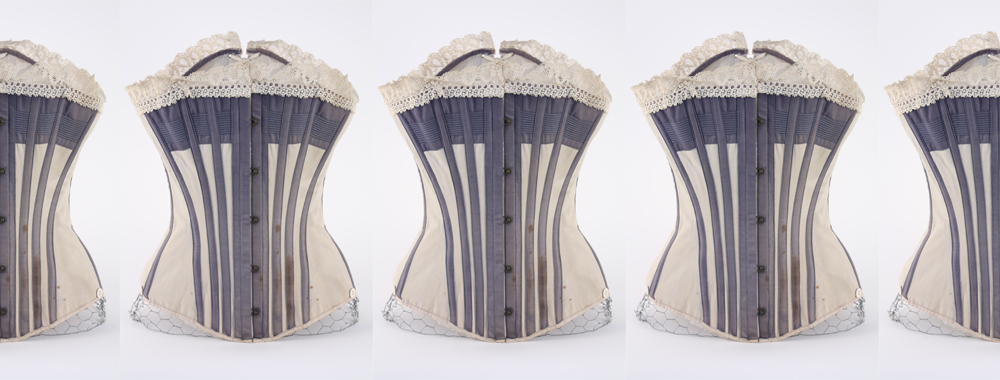
The exhibition portrays the women’s movement’s historical development; from Mathilde Fibiger to #MeToo. In the display cases, you will find objects, photos, and texts that will make you wiser on the movement’s perspective and challenges; the Decency Feud, terms of marriage, conservative ideals, and the tightening of a corset.
The museum also shows different minor special exhibitions.
All the exhibitions texts are translated into English.
KØN - Gender Museum Denmark
Domkirkepladsen 5
DK - 8000 Aarhus C
+45 25 45 45 10
kontakt@konmuseum.dk
www.konmuseum.dk
Mandag
LUKKET
Tirsdag
10-17
Onsdag
10-20
Torsdag
10-17
Fredag
10-17
Lørdag
10-17
Søndag
LUKKET
Tilmeld dig KØN nyhedsbrev og få nyt om udstillinger, arrangementer og særtilbud. Læs vores persondatapolitik under punktet Om KØN